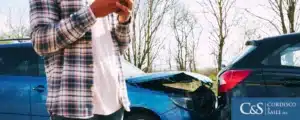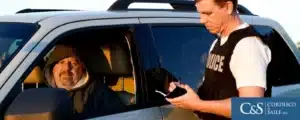

After a crash involving automated driving technology, responsibility could potentially lie with the driver, a vehicle defect, or the vehicle’s operating company. Pennsylvania’s existing laws still apply, but determining the cause of the crash often requires further investigation.
Automated-vehicle testing is already taking place on Pennsylvania roads, alongside cars with driver assistance features. As these systems develop, drivers and software can play different roles behind the wheel. There are legal gray areas of self-driving car accidents, and Pennsylvania laws may need to evolve.
Table of Contents
- How Does Pennsylvania Law Regulate Self-Driving Vehicles?
- What Happens When a Self-Driving Vehicle Causes a Crash?
- Why Pennsylvania Negligence Laws Get Complicated With Autonomous Vehicles
- The Evidence Problem in Self-Driving Car Accident Claims
- Who Is Liable for a Self-Driving Car Accident in Pennsylvania?
- How Product Liability Could Overlap With a Pennsylvania Car Accident Claim
- What to Do After a Crash Involving an Automated Driving System
- What Does Pennsylvania Law Need to Address as Vehicle Technology Changes?
- How Cordisco & Saile Can Help With a Complex Pennsylvania Car Accident Claim
- Talk to a Lawyer About the Legal Gray Areas of Self-Driving Car Accidents
How Does Pennsylvania Law Regulate Self-Driving Vehicles?
Pennsylvania already permits highly automated vehicles through a certification framework. The state’s Motor Vehicle Code sets operating requirements, including driverless operation under specified conditions. Anyone who operates a self-driving car must obtain a certificate.
Certificate holders must maintain insurance coverage of at least $1 million in financial responsibility per accident for third-party injuries and property damage. That requirement applies to certificate holders, not to every car with driver-assistance features.
What Happens When a Self-Driving Vehicle Causes a Crash?
“Self-driving” can describe very different technologies. According to the National Highway Traffic Safety Administration (NHTSA), the different automation levels include:
- Levels 0–2: You drive and monitor the road. Level 0 may offer warnings or brief assistance. Level 1 helps with steering or speed, while Level 2 helps with both.
- Level 3: The system drives under specific conditions. You must take over when it asks you to.
- Level 4: Level 4 handles all driving within defined conditions, without requiring you to take over.
- Level 5: At Level 5, the system would drive in all roadway conditions a human driver could handle.
To determine liability, it’s important to begin by checking which features operated before the crash. A system’s marketing name alone doesn’t tell us who controls steering or braking.
Why Pennsylvania Negligence Laws Get Complicated With Autonomous Vehicles
In a negligence claim, you must show that someone owed you a duty of reasonable care and connect that person or company’s failure to use reasonable care to your injuries and losses.
The automation of a self-driving vehicle complicates that analysis. For example, it’s difficult to know if a driver ignored an alert, or if the system failed to provide enough warning. Perhaps an operator used the vehicle outside the conditions its technology could handle. Those questions can create disputes over what level of reasonable care is required and whose conduct caused the harm.
Pennsylvania’s comparative negligence law also matters in negligence claims. If you share fault, your percentage reduces your recovery. You generally cannot recover if your share exceeds 50%. Different rules can apply to product liability claims.
The Evidence Problem in Self-Driving Car Accident Claims
When a witness describes a vehicle swerving or failing to stop, they usually cannot tell whether the movement was caused by software, a person, or a mechanical problem.
Depending on the vehicle, evidence can include:
- Records showing when automation turned on or off, and any takeover requests
- Sensor readings, camera footage, and driver-monitoring information
- Software versions, update records, and maintenance history
- Police findings, road conditions, and nearby surveillance footage
These records will help reconstruct the seconds before impact. However, NHTSA cautions that crash-reporting data can contain incomplete or unverified information. A report involving automation does not, by itself, establish that automation caused the crash.
Additionally, companies may overwrite recordings or restrict access to their system records. We can ask companies to keep those records while we seek access through the legal process.
Who Is Liable for a Self-Driving Car Accident in Pennsylvania?
In an autonomous vehicle accident, several parties could share responsibility. Autonomous vehicle accident liability depends on the facts. Our accident lawyers will investigate:
- A driver who misused a feature or failed to pay attention when the system required it
- A vehicle manufacturer or component supplier whose defective product contributed to the crash
- A technology developer whose conduct or product played a role, depending on its legal duties
- An owner or fleet operator who neglected maintenance or deployed a vehicle under unsafe conditions
- Another motorist whose careless driving caused or contributed to the collision
We also examine available insurance. Identifying a company connected to the vehicle does not automatically establish liability or coverage. We must connect the relevant conduct or defect to your injuries.
How Product Liability Could Overlap With a Pennsylvania Car Accident Claim
A crash involving faulty brakes, a defective sensor, or unsafe system design may support an autonomous vehicle product liability claim. That claim focuses on the product’s condition rather than on someone’s driving.
Pennsylvania recognizes strict product liability. This allows you to file a claim without proving that a manufacturer acted carelessly. However, you still need to provide evidence of a defect and a connection between that defect and your harm.
Software-related allegations can raise additional questions about the developer’s role and how product liability law applies to the technology. We evaluate the vehicle, warnings, and human conduct together. A crash alone does not prove a defect.
What to Do After a Crash Involving an Automated Driving System
Your safety and medical needs come first. If you can do so safely:
- Call 911 if anyone needs emergency help, and report the crash to the police.
- Photograph the vehicles, road conditions, signs, and any company names or vehicle identifiers.
- Collect witness details and insurance or operator information.
- Save dashcam footage, app receipts, messages, and any photos of system alerts.
- Keep medical records, bills, and notes about missed work.
- Before repairing, resetting, or disposing of a vehicle you control, preserve relevant evidence.
When you speak to others about the accident, describe what you observed without guessing about the cause, and avoid speculating that the vehicle’s technology caused the collision. Notify your insurer promptly and follow your policy’s reporting requirements. If liability isn’t clear, contact a lawyer as soon as possible to protect your right to recover damages.
What Does Pennsylvania Law Still Need to Address as Vehicle Technology Changes?
While Pennsylvania already permits highly automated vehicles, there are several questions that lawmakers and courts need to clarify. These include:
- When should a person take over after a system warning?
- How long should companies keep crash-related data, and how can injured people access it?
- How should insurance address crashes involving both human mistakes and technology failures?
- Who should bear responsibility for unsafe software updates?
Clearer rules could help those involved in accidents answer questions about autonomous vehicle accident liability and identify who is responsible in a driverless car crash.
How Cordisco & Saile Can Help With a Complex Pennsylvania Car Accident Claim
At Cordisco & Saile, we bring decades of Pennsylvania personal injury experience to complex claims. Our self-driving car accident lawyers can explain your options in plain language.
When a crash leaves you hurt and unsure who to contact, we can investigate the people and technology involved. We can assess your situation to determine if you have a claim for autonomous vehicle negligence or autonomous vehicle product liability.
Our work may include preserving records, reviewing insurance, and consulting with engineers or crash reconstruction professionals.
We examine the full sequence of events, including the system’s behavior and any opportunities for human intervention. We also document your medical expenses, lost income, and other accident-related losses.
"When people hire Cordisco & Saile, they're expecting the best. They're expecting you to fight for them from the minute they walk in that office into the minute their case is resolved, and that's what we do here."
- John F. Cordisco,
Founder
Talk to a Lawyer About the Legal Gray Areas of Self-Driving Car Accidents
Pennsylvania’s existing laws provide a starting point for these claims, but automated driving raises questions about human conduct and technology. Determining liability for autonomous vehicle accidents can require vehicle records, technical analysis, and a careful review of each party’s role.
You don’t have to sort through those questions while managing your recovery. As the Pennsylvania Injury Pros, We Never Stop Fighting For You. Our case results and client testimonials reflect our commitment and dedication.
If you have questions about the claim process and want to know if the evidence in your case supports a claim for compensation, we offer free case evaluations. To schedule your free appointment, call us at 215-642-2335 or reach out by sending a message through our website.