 Attorney Michael L. Saile
Life after a serious injury can feel like starting over, with everyday routines and simple tasks sometimes feeling out of reach. Recovery isn’t only about healing your body—it’s about rebuilding your foundation and regaining confidence, stability, and independence. Whether you’re learning to walk again, coping with chronic pain, or adjusting to new limitations, rehabilitation plays a crucial role in helping you regain your quality of life.
For people in Bucks County, Montgomery County, the Lehigh Valley, Philadelphia, and throughout Pennsylvania, resources for post-injury rehabilitation go far beyond physical therapy. From emotional support groups to vocational rehabilitation services that help you return to work, the right guidance can make all the difference in your recovery.
Navigate This Page
- Understanding the Road to Recovery
- Physical Rehabilitation Programs in Pennsylvania
- Occupational Therapy and Returning to Work
- Mental Health and Emotional Recovery
- Support Groups and Community Resources
- Financial and Disability Assistance Programs
- Adaptive Equipment and Accessibility Resources
- Transportation and Mobility Options After an Injury
- Legal Rights During the Recovery Process
- Rebuilding Confidence and Moving Forward
Understanding the Road to Recovery
When a serious injury happens, the path back to “normal” doesn’t happen overnight, and the healing journey is rarely linear. It generally unfolds across three phases: Acute treatment, rehabilitation, and reintegration into everyday life.
- Acute Treatment: Initial phase immediately following an injury. The focus is on stabilization, which can include emergency care, surgeries, or immediate interventions to save life and limb. During this stage, pain and injury control take priority, and the stress many experience can leave them feeling apprehensive about the future.
- Rehabilitation: Once stabilized, the rehabilitation phase begins. Treatment approaches vary depending on the type and severity of the injury, but may include physical therapy to regain strength and mobility, as well as occupational therapy to relearn skills necessary for daily tasks.
- Reintegration: The final stage is bringing your life back into motion by returning to work, resuming family responsibilities, and getting back to hobbies and social activities. This is crucial for regaining a sense of identity, confidence, and independence, but it also involves financial and emotional recovery.
Many underestimate how challenging the final phases of recovery can be, but it’s essential to remember that just because wounds are healed, it doesn’t mean the journey is over.
Physical Rehabilitation Programs in Pennsylvania
When you’re recovering after a serious injury in Pennsylvania, finding high-quality physical rehabilitation is key. Below is a breakdown of the physical rehabilitation landscape, including the types of services available and how to find trusted providers.
Common Types of Physical Rehabilitation Services
- Outpatient physical therapy (PT): Designed for people who can regularly travel to a clinic, PT focuses on improving mobility, strength, flexibility, balance, and pain management.
- Inpatient or specialized rehabilitation hospital programs: For more serious injuries where intensive daily therapy and nursing care are required.
- Occupational therapy (OT): Helps with reintegration by retraining for daily tasks and movements.
- Aquatic therapy, adaptive fitness, mobility aids, and assistive-device training: Helpful when standard clinic work doesn’t cover the full range of recovery needs. These can be especially useful for people with spinal cord injuries, orthopedic trauma, or chronic pain.
Finding Reputable Providers
The Commission on Accreditation of Rehabilitation Facilities (CARF) is a nonprofit organization that accredits health and rehabilitation providers based on rigorous, internationally recognized standards. Pennsylvania is home to numerous CARF-accredited facilities, including Jefferson Moss-Magee Rehabilitation Hospital, Lehigh Valley Hospital, and Penn Medicine Doylestown Health.
You may need some physical therapy sessions, rehab specialist, all while undergoing the frustration of feeling like a human science experiment just to get that diagnosis that helps you get back on track and the treatment that you need.
- Steven DeBonis,
Attorney
Occupational Therapy and Returning to Work
Occupational therapy (OT) helps individuals who have experienced an injury rebuild the skills necessary for everyday living and job readiness. After an accident, OT focuses on improving coordination, strength, and cognitive function so you can safely and independently handle personal care, household tasks, and work responsibilities.
In Pennsylvania, the Office of Vocational Rehabilitation (OVR) provides support to help people with disabilities or injuries return to meaningful employment. This includes career counseling, job placement, adaptive equipment, and workplace accommodations.
Getting back to work isn’t just about income. It restores confidence, independence, and a sense of normalcy; all crucial aspects of regaining quality of life.
Mental Health and Emotional Recovery
Many survivors experience post-traumatic stress disorder, anxiety, or depression as they adjust to life after an accident. These feelings are normal, but should never be ignored. Emotional recovery is just as important as physical rehabilitation in restoring overall well-being.
The Pennsylvania Department of Human Services – Mental Health Services offers statewide programs that connect people to counseling, crisis hotlines, trauma therapy, and community-based mental health centers. Working with a licensed therapist or joining a local support group can help you process trauma, manage stress, and rebuild confidence.
When you care for your mental health, you’re often better able to attend appointments, follow treatment plans, and stay engaged with physical and occupational therapy.
Support Groups and Community Resources
Recovery is easier when you know you’re not alone. Connecting with others who understand your challenges can provide powerful emotional and practical support. Pennsylvania offers a range of support groups for survivors of brain injuries, spinal cord injuries, amputations, and other life-changing conditions.
The Brain Injury Association of Pennsylvania (BIAPA) connects survivors with local chapters, peer mentors, and educational programs throughout the state. Many nonprofits and community organizations host peer support meetings and recreational programs designed to rebuild confidence and promote social connection. For example, survivors near Philadelphia can connect with resources like Magee Rehabilitation Hospital’s brain injury support groups or trauma-focused programs through Healthy Minds Philly.
These networks remind survivors that progress doesn’t happen in isolation. Sharing experiences, learning coping strategies, and celebrating milestones with others can make each step of recovery feel a little easier.
Get legal help from a team that will never stop fighting for you.
Financial and Disability Assistance Programs
Serious injuries are often accompanied by financial strain from medical bills, lost income, and long-term care needs. In Pennsylvania, the Department of Human Services Disability Benefits program helps eligible state residents access financial aid, health care coverage, and support services.
Some survivors may also qualify for Social Security Disability Insurance (SSDI), a federal program that provides monthly benefits to individuals unable to work due to a medical condition.
An injury lawyer can help you understand how these benefits fit alongside any personal injury claim or settlement, so you’re not leaving money on the table.
Adaptive Equipment and Accessibility Resources
The right adaptive tools can make daily life after an injury safer and more independent. From wheelchairs and prosthetics to home modifications like ramps or assistance bars, this technology helps bridge the gap between medical recovery and full participation in daily life.
The Pennsylvania Assistive Technology Foundation (PATF) offers funding resources, low-interest loans, and guidance for residents needing adaptive equipment or home accessibility upgrades.
Transportation and Mobility Options After an Injury
Getting around after a serious injury can be challenging, but Pennsylvania offers several solutions to help you stay mobile and maintain your independence. Paratransit services and non-emergency medical transportation provide rides to appointments, therapy sessions, and essential errands for individuals with limited mobility.
Those ready to drive again can explore vehicle modification programs, which include hand controls, lifts, and adaptive steering systems. PennDOT also provides information on Persons with Disabilities Parking Placards and Vehicle Registration to ensure accessibility when traveling.
Legal Rights During the Recovery Process
Medical bills, insurance claims, and potential settlements often overlap after an injury, creating confusion at a time when your focus should be on healing. Knowing how these systems interact helps you protect your finances and access the care you need.
The Pennsylvania Department of Insurance offers guidance on resolving medical billing disputes, coordinating benefits, and understanding coverage limits.
If you have questions about your rights and options, Cordisco & Saile offers various resources available for free—built from decades of handling Pennsylvania injury claims, giving you practical answers in plain language, designed to help Pennsylvanians navigate recovery with the confidence and support they deserve.
If your injuries came from a crash, a Pennsylvania car accident lawyer at Cordisco & Saile can also explain how your auto coverage, health insurance, and any settlement may interact.
Rebuilding Confidence and Moving Forward
Recovery requires a series of small, courageous steps. Each milestone matters, whether you’re taking your first step after surgery, returning to work, or finding inner peace after a difficult chapter. Building resilience means focusing on progress, not perfection. Reconnecting with hobbies, volunteering, or joining local support groups can help restore purpose and confidence.
At Cordisco & Saile, LLC, we’ve seen how determination and support can transform lives. Our team is proud to stand beside injured Pennsylvanians as they heal, rebuild, and move forward. Contact us online or call 215-642-2335 for a free consultation to discover how our team can support you on your journey to recovery.
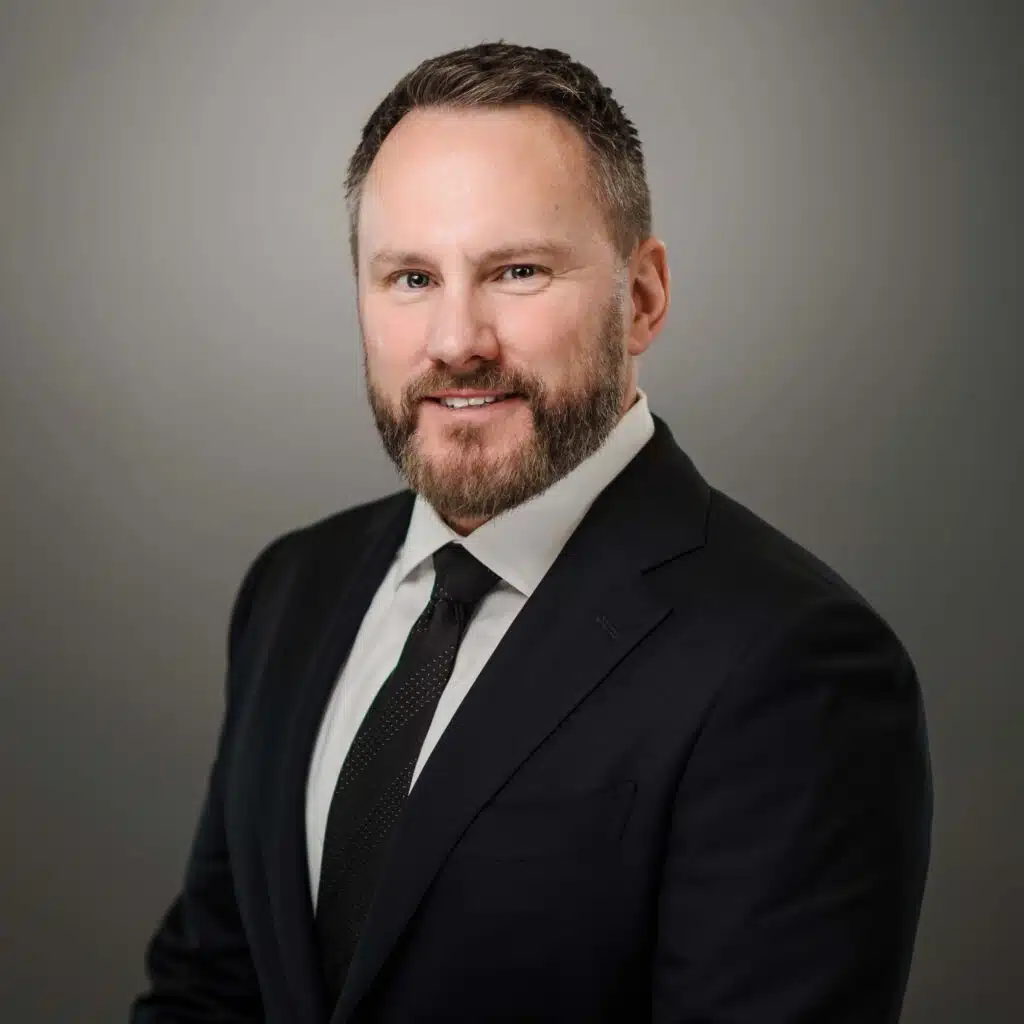
Serving as a personal injury attorney in Pennsylvania, Michael Saile has been honored as both a Brain Injury Top 25 Lawyer by National Trial Lawyers and a 2024 Super Lawyer. He earned his J. D. at Widener University School of Law where he was a member of the Moe Levine Trial Advocacy Honor Society. Saile is also the author of two publications titled “Not Another Bad Lawyer” and “Don’t Crash Again”.